Respect the Rhythm: How UK Casinos Can Borrow From Africa Without Turning It Into a Costume
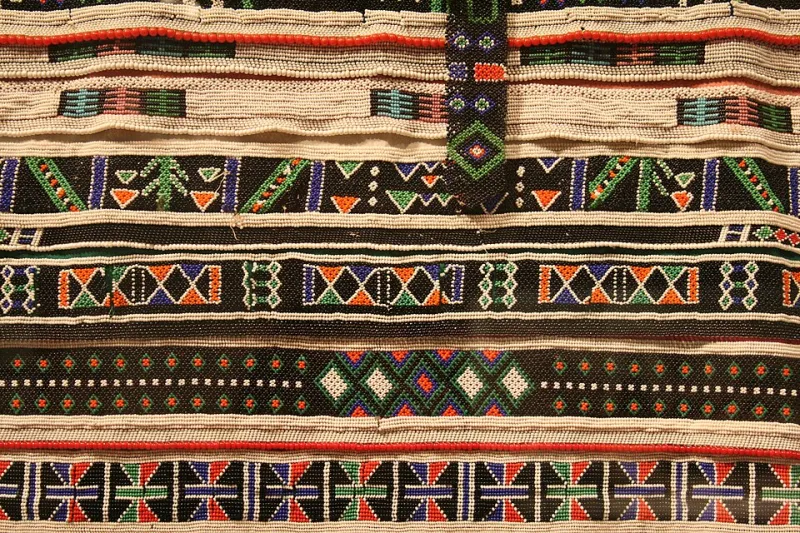
Photo: Shaire Productions, CC BY 2.0, via Wikimedia Commons
Kinshasa Casino is a UK-facing site, so our name invites questions. Kinshasa is a real city with a real culture, not a mood board. That is the starting point for any operator thinking about African-inspired design, music, promotions or live events in 2026. The opportunity is genuine: UK players are curious, diverse and increasingly familiar with African music, food and fashion. The risk is equally real. A lobby that treats a continent of 54 countries as one decorative theme will feel lazy at best and insulting at worst. The line between lively and caricature is not mysterious. It is mostly about specificity, credit and control.
Start With a Place, Not a Vibe
'African-inspired' is a broad label, and that is the first problem. Africa is not a single aesthetic. Congolese rumba has its own history and instrumentation. Nigerian highlife, South African amapiano, Ghanaian gospel and Moroccan gnawa do not share a costume cupboard. An operator that wants to draw on any of these traditions should name the tradition, the region and the people behind it. A slot inspired by Congolese rumba should look and sound like Congolese rumba, not like a generic safari park with a drum loop. If the design brief could apply to any country on the continent, it is too vague to be respectful.
Borrowing, Extracting and the Difference
There is nothing wrong with a UK casino borrowing ideas from African culture. British culture has been borrowing, adapting and remixing for centuries, and London's music scene would be poorer without that exchange. The difference is whether the borrowing is a collaboration or an extraction. Collaboration means licensing the music, paying the artists, crediting the designers and hiring people from the community as consultants. Extraction means taking the drum pattern, the pattern on the fabric and the word 'tribal' and giving nothing back.
A Manchester venue that wants an Afrobeats night should work with a British-Nigerian promoter, pay the DJs properly and use suppliers from the scene. A Liverpool casino that wants a Congolese rumba evening should talk to Congolese musicians and promoters in the UK. That is not box-ticking. It is how you get an event that feels real rather than researched in a hurry.
A Do-and-Don't Checklist for Operators
Do:
- Research a specific culture, region or genre before you design anything.
- Commission artists, musicians and designers from that culture, and pay their standard rates.
- License music properly and credit the creators in your marketing.
- Use real language correctly, and ask a native speaker to check it.
- Build relationships with community groups and promoters for the long term, not just for one campaign.
- Test your ideas with players from African and diaspora backgrounds before launch.
- Make the reference part of your year-round identity, not a single month.
Don't:
- Use 'African' as a catch-all for patterns, masks, animals and drums.
- Call anything 'tribal' unless you can explain which tribe, which region and why.
- Use sacred objects as décor, props or slot symbols.
- Write copy that calls a culture 'exotic', 'mysterious' or 'wild'.
- Put performers in fake accents or generic 'traditional' dress.
- Use monkey, jungle or safari imagery as a shortcut for an entire continent.
- Assume that a diverse cast in the advert fixes a lazy concept.
What Players Can Do
Players are not powerless. If a promotion feels like a costume, say so. If a casino gets it right, say that too. Post in forums, reply to the brand's social accounts and vote with your deposits. You do not need to boycott every African-inspired game. Judge each one on specificity and credit. A game that names its inspiration, credits its artists and avoids the lazy shortcuts is doing something different from a game that sticks a drum loop on a jungle background and calls it a day. The same goes for live events: ask who is involved, who is paid and who is being represented.
Where Lively Crosses the Line
Lively is rhythm, colour, humour and hospitality. Caricature is when the culture becomes the punchline or the prop. If the only African reference in a casino lobby is a font that looks like it belongs on a safari park leaflet, a generic drum sample and a slot called something like 'Jungle King', you are not celebrating anything. You are using a continent as wallpaper. The test is simple: would a player from the culture in question recognise themselves in the design, or would they recognise a tourist brochure?
Respect Is a Commercial Strategy
The UK audience for African-inspired entertainment is not a niche. It includes British African communities, fans of Afrobeats and amapiano, food lovers and travellers. Those players can tell the difference between a genuine collaboration and a marketing team that watched one documentary. Getting it right builds trust. Getting it wrong can travel quickly on social media, and not in the way you want. In 2026, the casinos that stand out will be the ones that treat African culture as a living, specific and credited source of ideas, not a free costume. That is not just better ethics. It is better business.